
August 10, 2026
How I rate destinations
A practical guide to How I rate destinations, grounded in sourced details.
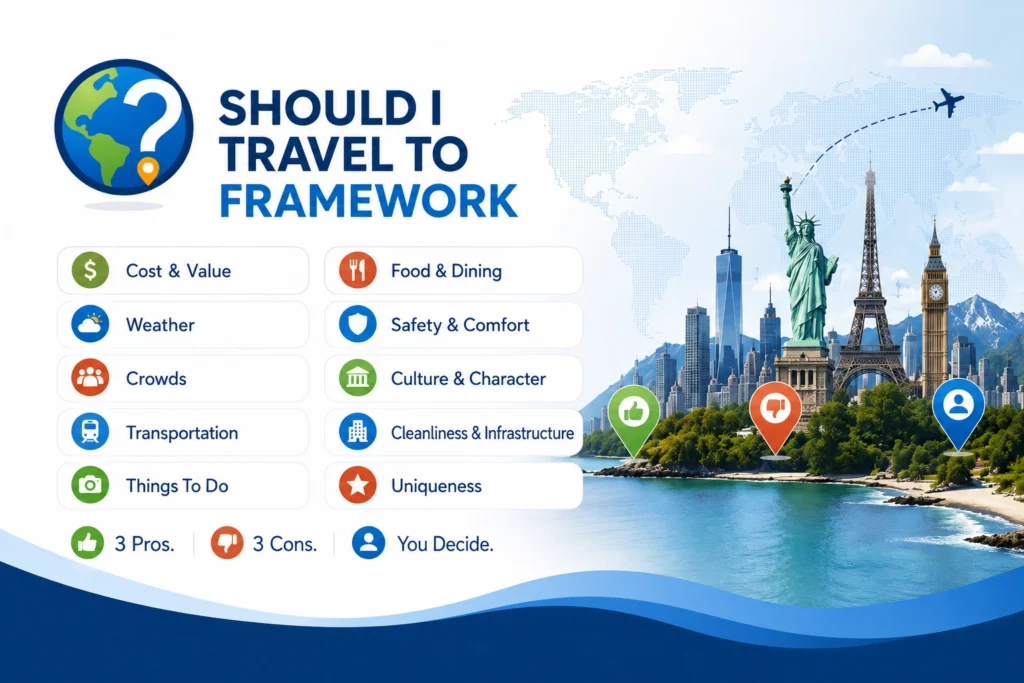
This guide will help you plan the perfect vacation or trip, making the process a fulfilling part of your travel experience.

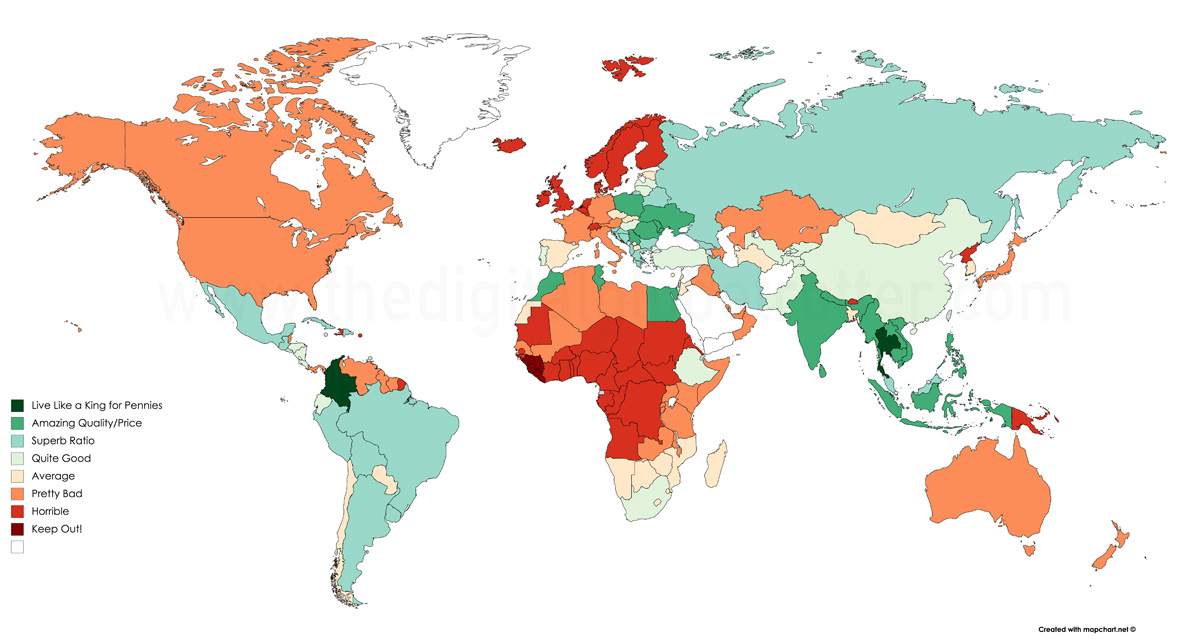
The problem
Searchers want a clear path for How I rate destinations.
Step-by-step
1. Choose Your Location
Determine what you are looking for in a trip (e.g., beach, party, history, nature). Use resources like Pinterest, Instagram, or Skyscanner's 'everywhere' search for inspiration. Verify visa requirements, passport validity (often needing 3-6 months after arrival), necessary vaccinations via CDC Travel, and check for any travel alerts or major news impacting your chosen destination. Consider the budget, as some locations may be expensive to fly to but cheap once there, or vice versa.
2. Choose the Time of Year
Consider work or family obligations to narrow down available months or weeks. Research average temperatures and precipitation for your chosen time. Investigate peak tourist seasons and consider the benefits and drawbacks of traveling during the shoulder or off-season, noting that some destinations might be entirely shut down during the off-season.
3. Decide What to Do & See
Allocate time to research attractions and activities. Decide if a single city is sufficient or if day trips or multiple cities are feasible. Consider flying into one airport and out of another. List all destinations, sites, and activities, potentially using a spreadsheet to add cost or date information. Use Google to find major attractions and resources like PlanetWare for housing price suggestions. Get inspiration from Pinterest for unique places and blogger lists, and search for itineraries to estimate time needed. Look for 'things near [location]' or '[location] day trips' to ensure you don't miss nearby attractions. Identify any 'extremely bummed to not do' activities and check their availability, as some may need to be booked in advance.
4. Create a Rough Itinerary
Use a map app like Google Maps to save key locations and visualize your trip. Group sites by area if staying in one city and plan specific areas for certain days. Estimate travel time between points, including walking distances and public transport usefulness. If traveling between cities, research transportation options (trains, buses, flights, private cars) and their duration and cost. Use tools like Rome2Rio, TripAdvisor, and Google Maps for this. Group your planned items by day to estimate the minimum number of days required for your trip.
5. Book Your Flight(s)
Use flight search engines like Skyscanner, which includes budget and domestic airlines not always found on larger platforms. Set up price alerts if desired. Since flights are often the largest expense, experiment with different dates and months to find better prices. Google Flights is also a useful tool.
6. Inspiration & Travel Daydreaming
Begin trip planning with inspiration, which can come from photos, Instagram, or blog posts. Organize this phase using Pinterest boards, Google Maps with pinned locations, and saved Instagram folders. A single image can be enough to inspire an entire trip.
7. Narrow it Down (Without Overthinking)
Focus inspiration into a shortlist of 2-3 realistic destinations based on available time, season, and energy levels. Consider the desired trip vibe (city break, beach, adventure, etc.). Factors to consider include trip duration, desired weather, ease of travel (direct flights), and the overall mood of the trip.
8. Choose Your Destination & Dates
Commit to one destination from your shortlist and become specific. Define the exact locations and duration within a country (e.g., '3 nights in Paris and 6 nights roadtripping the French Riviera'). Select your dates, allowing some flexibility for booking cheaper flights or hotels. Consider the best time of year to visit specific locations, factoring in national holidays, events, festivals, and personal commitments.
9. Decide Who You're Travelling With
Determine your travel companions. Discuss budget, interests, energy levels, preferred pace, and accommodation expectations (luxury, boutique, Airbnb). For group trips, clarify if the vibe is party or relaxing. It's also beneficial to travel with people comfortable doing their own thing for parts of the trip.
10. Budget Like an Accountant
Prioritize non-negotiables and plan the rest around them. This might involve choosing economy flights to afford a nicer hotel, or vice versa. Break down the budget into categories: Flights, Accommodation, Dining & drinks, Transport, Tours & experiences, and Shopping & extras. Use a spreadsheet or app to track expenses.
Destination Guru may earn a commission when you book through links on this site, at no extra cost to you.
Comments (0)
No comments yet. Be the first!